How Did I Get a Bed Bug Infestation?
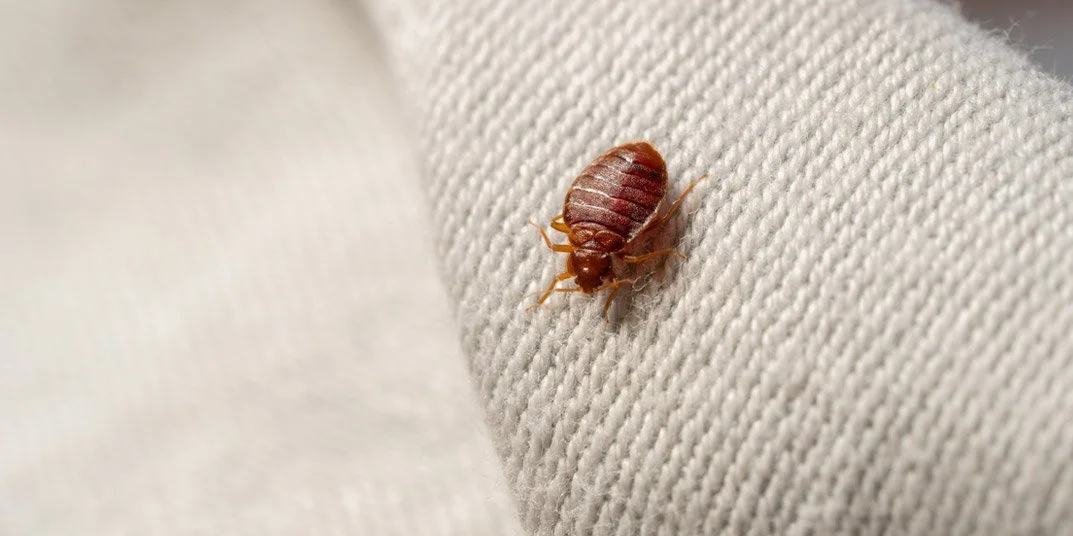
Discovering bed bugs in your home is a stressful experience for any homeowner —especially when they seem to appear out of nowhere and you have no idea how you could have possibly acquired them.
At Advanced Bed Bug Preparation, we’ve helped countless Wisconsin residents prepare their homes for extermination, and one of the most common questions we hear is: “how did I get a bed bug infestation in the first place?”
To help you understand the possibilities, we’ve broken down the most frequent ways bed bugs travel and find their way into homes.
How a Bed Bug Infestation Occurs:
Bed bugs are expert hitchhikers—they don’t discriminate, and some may be surprised to learn that their presence has nothing to do with cleanliness. The good news—while small, bed bugs can be pretty discernible to the naked human eye. Here is our article on what bed bugs look like and signs to watch out for.
Without further ado, let’s take a look at how bed bugs commonly spread and what you can do to prevent an infestation in your home:
1. Travel
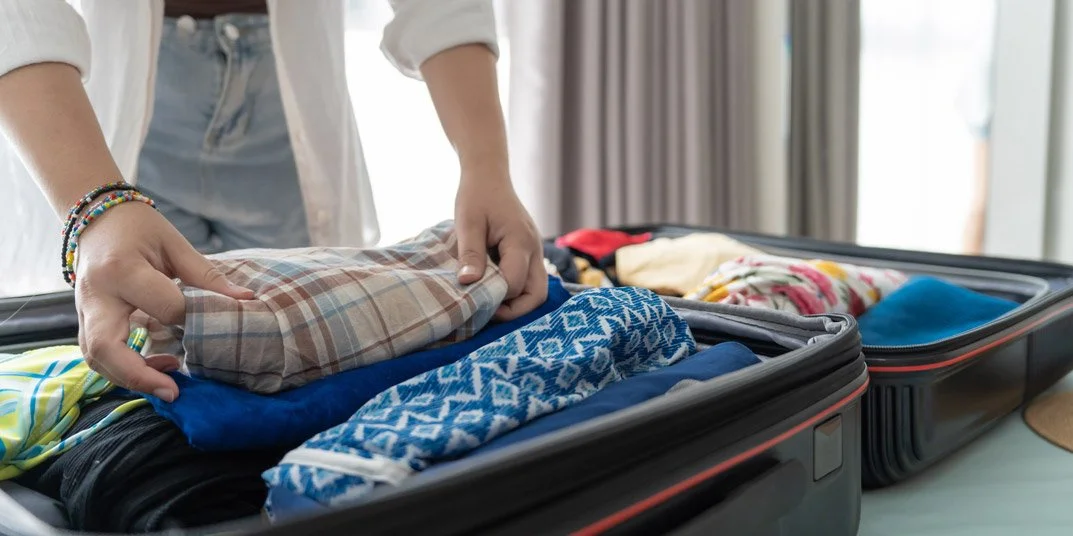
Whether traveling across the country or internationally, travel is one of the most likely sources for a bed bug hitchhike. These little pests may dwell in hotels, motels, Airbnb’s, college dorms, or even a friend’s guest room.
Bed bugs travel by clinging to luggage, backpacks, or personal items. Once you return home, they quietly settle into your bedroom or living spaces and begin to spread. Even the cleanest, most well-maintained accommodations can unknowingly harbor bed bugs.
To prevent bed bugs from hitching a ride while you’re traveling, you should always inspect your hotel or motel room, keep your luggage off the bed or floor, and store your cloths in protective bags.
Once you have arrived at home, unpack your suitcases immediately and place your clothes directly into the washing machine. All linens and clothes should be washed and dried on hot heat to kill any potential bed bugs or their eggs. Also, vacuum your suitcase and store it in the basement away your bedroom for a while.
2. Bedding
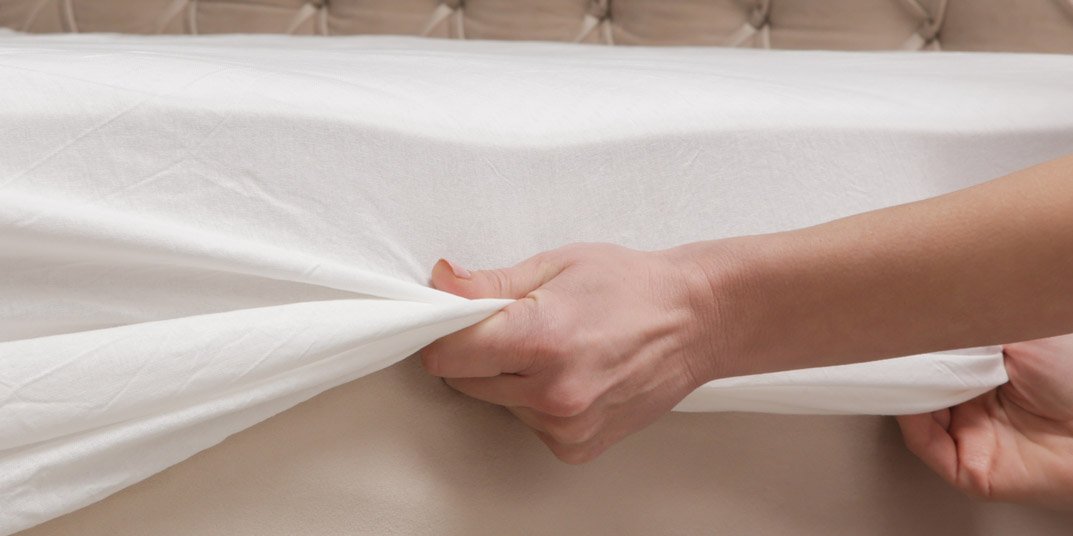
Always take precaution with used or borrowed bedding. This includes comforters, sheets, pillows, or mattress toppers, as they can carry hidden bed bugs or eggs. Even items stored in basements, storage units, or closets for long periods can become infested. When these items are brought into your home, the pests come with them.
Before using any used or borrowed comforters, sheets, pillows, or mattress toppers, always seal them right away, wash them in hot water, and dry them on high heat. While the bedding is washing, vacuum up the area in the laundry room and dispose of the vacuum bag outside immediately to limit the chance of a bed bug infestation.
3. Second-Hand Items

Thrifted furniture, garage sale finds, curbside items, and even antiques can introduce bed bugs. Upholstered furniture is especially risky, but bed bugs can hide inside wood joints, screw holes, zippers, and seams.
Always inspect used items thoroughly before bringing them inside. You should immediately wash and dry all textiles on the highest heat setting possible. Other suggestions are to steam clean your furniture and quarantine it in your garage.
You should also wipe down all hard surfaces using a mild cleaning solution or rubbing alcohol.
4. Clothing

Bed bugs can grab onto clothing when you visit infested homes, laundromats, workplaces, or public spaces.
Unlike lice, they don’t live on people, but they do sneak into folds of fabric where they can hide long enough to travel. Once home, they migrate to resting areas like beds and couches.
Similar to our suggestions above, you should wash your clothes right away and use high heat (at least 140∘F or 60∘C) and also dry them on high heat for at least 30 minutes. Always handle your luggage carefully and don’t mix with clean laundry.
Related: Everything You Need to Know About Bed Bug Bites
5. Boxes and Packaging
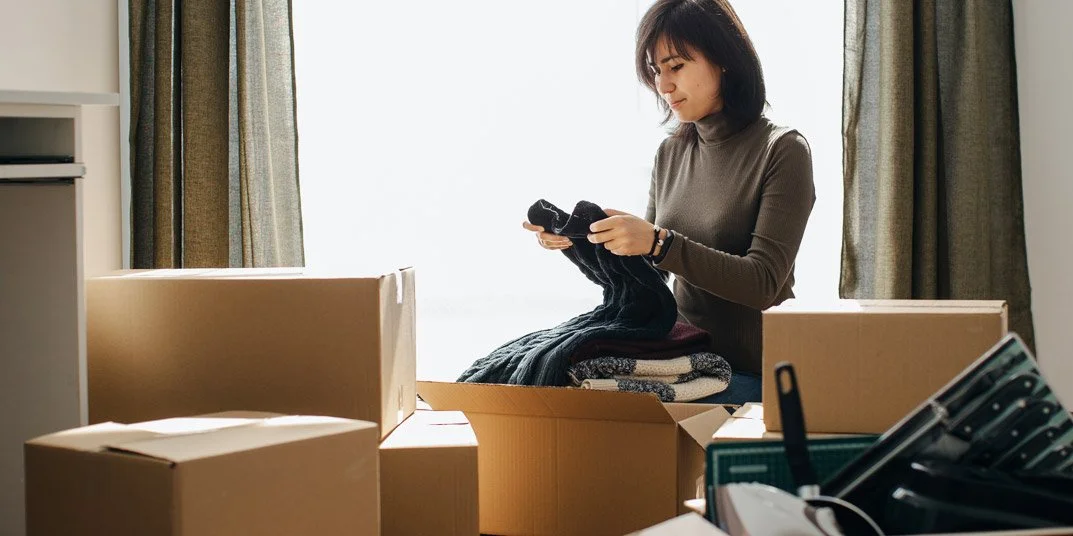
Cardboard boxes—especially those reused for moving—are a perfect hiding place for bed bugs. They’re drawn to dark, tight spaces, and boxes provide exactly that. Even shipments, storage boxes, or packages left in shared areas can potentially carry unwanted pests.
Bed bugs may hide in clothing, bedding, or other fabrics in these boxes. Before moving any boxes into your home, inspect them for any signs of bed bug activity. If you suspect an infestation, quarantine and wash all items.
6. Public Spaces

As you likely have noticed, bed bugs don’t just exist in homes. They can also be found in buses, theaters, libraries, offices, schools, and apartment common areas. While they don’t travel far on their own, they’re very good at catching a ride on personal belongings.
If you live in an apartment, condo, or duplex, bed bugs can sometimes move between units through wall voids, outlets, or hallways. One unit’s infestation can quickly become a building-wide issue without proper treatment.
To prevent acquiring bed bugs from public areas, always inspect where you sit or place your bags, backpacks, suitcases, etc. Don’t set your personal belongings on the floor on buses or other public transports and avoid corners, crevices, or cluttered areas that are difficult to inspect.
Related: 9 Signs You Have Bed Bugs in Your Home
Have a Bed Bug Infestation? Let Us Help You Prepare for Treatment!

A bed bug infestation can be a frustrating and distressing experience. If you’re based in Northeast WI, Advanced Bed Bug Preparation can help!
Preparing your home or apartment complex for an extermination correctly is critical. However, not only can it be a time-consuming process, it can take as long as a week to correctly prepare the space for an exterminator to come in and do their work, making it a challenge. When you hire an expert like Advanced Bed Bug Preparation, we can prepare your space for proper bed bug eradication in just one business day!
We serve residents and property owners throughout Oshkosh, Fond Du Lac, Sheboygan, Appleton, Green Bay, and Northeast Wisconsin. Whether you’re dealing with bed bugs, cockroaches, or an overwhelming hoarding or extreme cleaning situation, we’re here to take the stress off your shoulders and help restore comfort and confidence in your home.
To schedule service, reach out to Nicole and the Advanced Bed Bug Preparation team via our contact us page, or call us at (920) 355-1535. We’re here to help you reclaim your home!